



Freaky Cool Astronomy: Earth Just Reached Its Highest Speed of Year and Closest to Sun
Published 01/07/26 at 7:55 a.m.
By Oregon Coast Beach Connection Staff
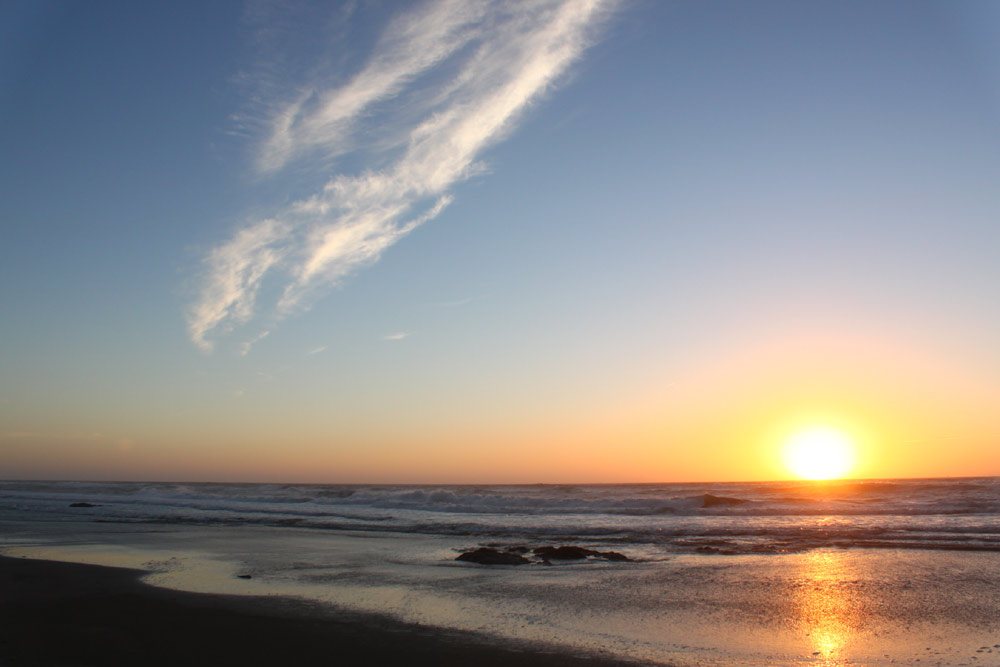
(Manzanita, Oregon) – Not that you could be able to tell, but Earth at this moment is going its zippiest that it will all year. And believe it or not, even though it's winter here, we are at our closest to the sun as well.
Includes exclusive listings; some specials in winter
In Cannon Beach:
Includes rentals not listed anywhere else
In Manzanita, Wheeler, Rockaway Beach:
Some specials for winter
In Pacific City, Oceanside:
Some specials for winter
In Lincoln City:
Some specials for winter
In Depoe Bay, Gleneden Beach:
Some specials for winter
In Newport:
Look for some specials
In Waldport
Some specials for winter
In Yachats, Florence
Some specials for winter
Southern Oregon Coast Hotels / Lodgings
Reedsport to Brookings, places to stay; winter deals
Space, the solar system and the world we're on can make for some real surprises – even weirdly so.
To be more exact, we just passed the perihelion – or the closest we get to the sun.
Even as you look at that weak winter orb while goofing around beaches of the Oregon coast or Washington coast, it's closer than you probably thought.
Jim Todd, astronomy expert at Portland's OMSI, told Oregon Coast Beach Connection these odd little nuggets about our star (called Sol, actually) and our relationship to it.
“On January 3, 2026, at approximately 12:15 PM EST (17:15 UTC), Earth reached perihelion, the point in its elliptical orbit where it is closest to the Sun,” Todd said.
This, in turn, dictates our speed as the planet moves in orbit.
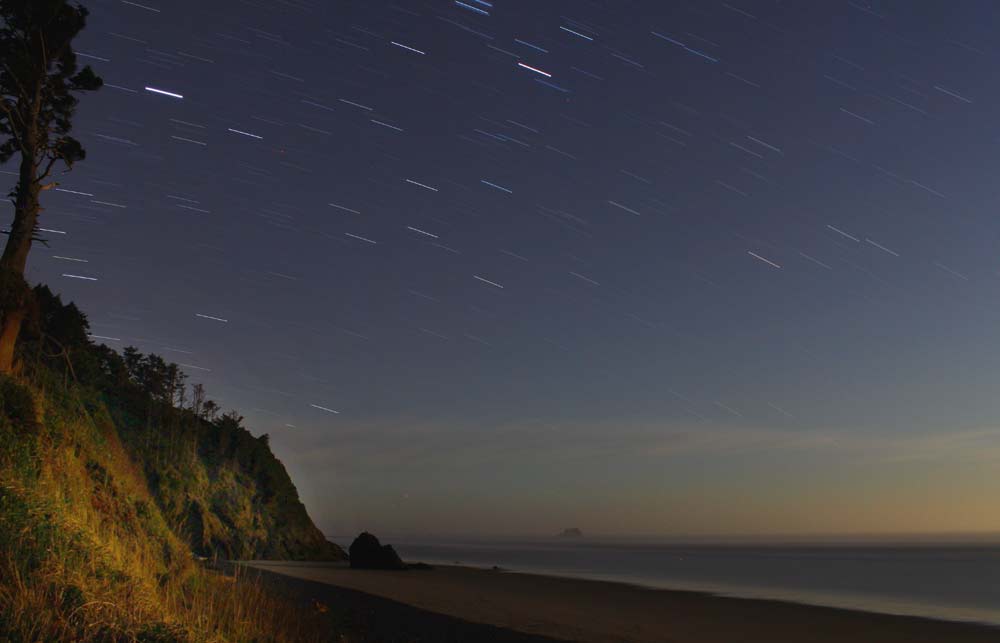
“Because Earth is at its closest point (approx. 91.4 million miles), the Sun's gravitational pull is strongest, accelerating the planet to its maximum orbital velocity of roughly 67,700 mph (30.3 km/s),” Todd said.
This happens because Earth's orbit is an ellipse – not an actual circle. So that means there is always going to be a closest point and a farthest point (as NASA has pointed out).
Astronomy News, Updates from Oregon Coast, Washington Coast Astronomy from a Pacific Northwest Perspective: stargazing, space science, meteors, aurora borealis, interstellar phenomena, surprises in the skies
“Earth is about 3 million miles (5 million km) closer to the Sun today than it will be at its farthest point (aphelion) on July 6, 2026,” Todd said.
We will be some 94 million miles away from the sun in July.
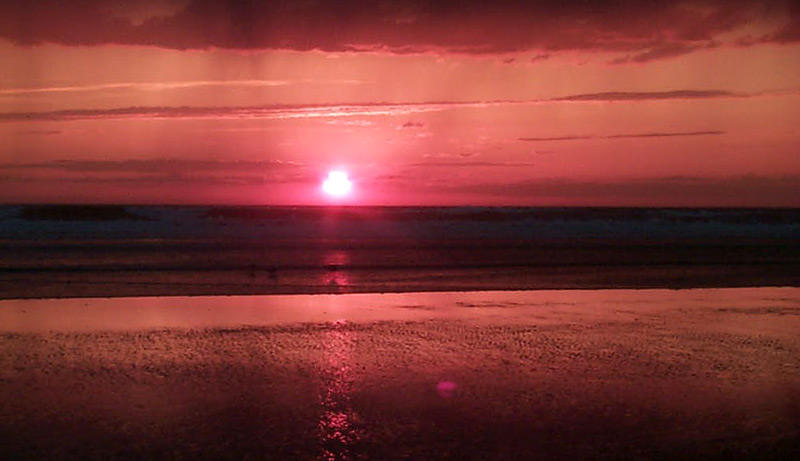
We all know seasons come from the tilt of the Earth. Yet here comes a mammoth surprise for some: us being closer or farther away from the sun has nothing to do with seasons. NASA said it's only a coincidence that the solstice happens so close to this turn in our seasons.
Todd said this speed also decides how long winter lasts up here.
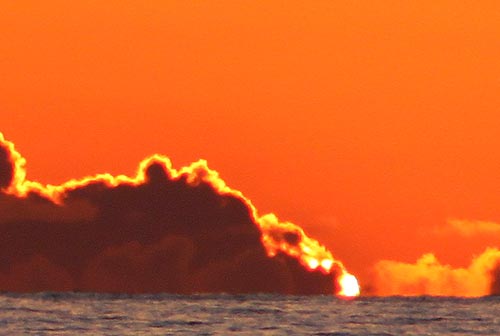
“Because Earth moves faster during this period, it covers the distance between the December solstice and the March equinox more quickly,” Todd said. “This makes the Northern Hemisphere's winter (and Southern Hemisphere's summer) the shortest season, lasting just under 89 days.”
Oregon Coast Hotels in this area - South Coast Hotels - Oregon Coast Vacation Rentals - Where to eat - Maps - Virtual Tours




















OREGON COAST HOTEL REVIEWS (hit refresh to see different reviews)
An Oregon Coast Stay Full of Ocean Expanse, Cannon Beach Bunnies, Maybe Elk
Cannon Beach's Wayside Inn hosts balconies or patios to the watery world. Cannon Beach hotel reviews
A View to a Crush of Oregon Coast Logs at Lincoln City's Siletz Bay
It's where far more of the action lies than you might imagine. Lincoln City hotel reviews, Lincoln City hotels, Lincoln City hotel news. Looking Glass Inn
Astounding Oregon Coast Balcony Views at a Mere Two of Newport's Hotspots
20 Aug 2026 at 4:35am
A slice of infinity at one and a charming mansion in dense woods. Newport hotel reviews. Inn at Nye Beach, Ocean House BnB
Raucous Oregon Coast View in Lincoln City or Depoe Bay Spotlighted in May
Some of these sights cost a little less through mid May. Depoe Bay hotel reviews, Lincoln City hotel news
More About Oregon Coast hotels, lodging.....
More About Oregon Coast Restaurants, Dining.....
 |
 |
 |
Washington Coast / Oregon Coast Articles (stories are random: hit reload to see different articles)
Video Released by Sheriff Shows Fireworks 'Cannon' That Allegedly Started Washington Wildfire19 Sep 2026 at 7:06pm
Video recorded on 4th of July in Washington by the suspects. True crime
Oregon / Washington / Coast Holiday Weekend Travel: AAA Says Higher Gas Prices, Busier
30 Aug 2026 at 3:25pm
Coast is extremely popular but bad news on gas. Traffic
Oregon State Police: Man Slips Off Ledge and Dies at Silver Falls State Park Attempting Photos
11 Aug 2026 at 10:41pm
Kentucky man goes beyond fencing and apparently fell
N. Oregon Coast Rescue: Lost Boy Beach Lives Up to Its Name and Example of Warning
17 Sep 2026 at 10:00am
Three visitors went beyond the boundaries of Oceanside into a dangerous cove. Safety, rescue
Closures on Oregon Coast: Sutton Lake Ramp Near Florence, Nestucca Refuge Reopening
20 Sep 2026 at 6:26am
Construction at Sutton Lake for awhile, prescribed burn at Nestucca / Pacific City. Yachats, Reedsport, Neskowin, Oceanside
Jazz Man Dan Balmer Hits Oregon Coast's Newport in August
10 Aug 2026 at 10:28pm
August 23 at the Newport Performing Arts Center. Newport events, Depoe Bay events
Waldport's Beach, Bike and Blues Fest Returns to Central Oregon Coast with New Venue
8 Sep 2026 at 8:58pm
Six hours of blues, Saturday, September 12, marking its fifth year. Waldport events
Tuesday is Shift to Fall for Oregon / Washington; Second Summer on Coastlines
20 Sep 2026 at 7:33pm
Some curious astronomy and meteorology about the region. Weather, science, Seattle, Portland, Eugene, Salem
Back to Oregon Coast
Contact Advertise on Oregon Coast Beach Connection
All Content, unless otherwise attributed, copyright © Oregon Coast Beach Connection. Unauthorized use or publication is not permitted


Oregon
Coast Hotels
S. Coast Hotels
Astoria/Warrenton Hotels
Seaside Hotels
Cannon
Beach Hotels
Nehalem Bay Lodgings
Manzanita Hotels, Lodging
Rockaway Beach Hotels
Three Capes Lodging
Pacific City Hotels, Lodging
Lincoln
City Lodging
Depoe
Bay Hotels
Newport Hotels
Waldport Lodging
Yachats
Hotels
Florence Hotels
Reedsport Hotels
Coos Bay Hotels
Bandon Hotels
Port Orford Hotels
Gold Beach Hotels
Brookings Hotels
Oregon
Coast Vacation Rentals
Oregon
Coast Lodging Specials
South Coast Hotels
Dining
Guide
Seaside
Cannon
Beach Dining
Manzanita,
Rockaway, Wheeler Dining
Pacific
City, Oceanside, Netarts, Tierra Del Mar Restaurants
Tillamook
Bay Restaurants, Dining
Lincoln
City Dining, Restaurants
Depoe
Bay Restaurants, Dining
Newport Restaurants, Dining
Waldport,
Yachats Restaurants, Dining
Florence Restaurants, Dining
Restaurant
Reviews
Coast
Events Calendar
Astoria
Seaside,
Cannon Beach Calendar
Manzanita,
Rockaway Events
Tillamook,
Pacific City Calendar
Lincoln
City Events Calendar
Newport,
Depoe Bay Events Calendar
Yachats Events Calendar
Oregon Coast Complete Guides every beach access, attraction
Search for Oregon Coast Subjects, Articles
Explore Every Beach Spot


News Headlines from All Over Oregon Need to scan Oregon headlines? Constantly updated news from all over Oregon: a comprehensive, up-to-the-minute display of news headlines from a variety of media
Oregon Coast Oceanfront Lodging, Hotels, Rentals