




One Gnarly Big Supermoon in April for Oregon, Washington, Coast
Published 04/04/2020 at 6:24 PM PDT
By Oregon Coast Beach Connection staff
Includes exclusive listings; some specials in winter
In Cannon Beach:
Includes rentals not listed anywhere else
In Manzanita, Wheeler, Rockaway Beach:
Some specials for winter
In Pacific City, Oceanside:
Some specials for winter
In Lincoln City:
Some specials for winter
In Depoe Bay, Gleneden Beach:
Some specials for winter
In Newport:
Look for some specials
In Waldport
Some specials for winter
In Yachats, Florence
Some specials for winter
(Oregon Coast) – Nick Drake would be proud: this Pink Moon will be a massive one.
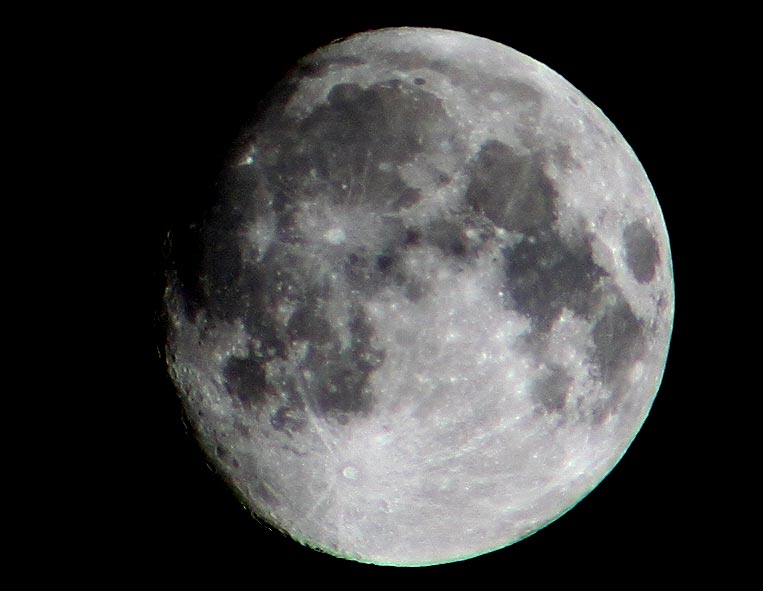
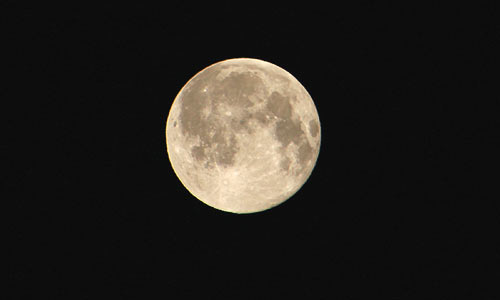
Oregon, Washington and their coastlines are about to get seriously mooned with the largest supermoon of the year. Also called the Grass Moon or Egg Moon, it’s the second of three such supermoons happening in 2020, happening on April 7.
Jim Todd of Portland’s OMSI said it will be the closest and largest of the whole year, but other than that – and the possibility of some stellar comet sightings – it’s not too unusual.
“At least two, or perhaps a half dozen, occur each year,” Todd said. “So, this phenomenon is not unusual or unheard of.”
From the Portland area, the precise instant of full moon comes to pass on April 7, at 7:35 p.m. (times will differ in places like Seattle, Ashland or the Washington coast and south Oregon coast). It will be just barely rising above the horizon.
“Earlier in the day, this 'supermoon' will be below the horizon at perigee, or its closest distance to earth, at 11:08 a.m. PDT, at a distance of 221,773 miles from earth,” Todd said. “On Tuesday, the near full moon will rise directly from the east at 7:32 p.m., followed by sunset at 7:47 p.m. in the west.”
Full moons happen in the middle of the lunar cycle of 29.5 days, and it’s recognizable by a near-perfect spherical shape. In strictly technical terms, the full moon actually only lasts for about one second – a difference that cannot be seen by the naked eye.
“Without a telescope, it is difficult to distinguish between a moon that is 100% illuminated and a moon that is 99% illuminated,” Todd said. “While the Moon may only be 100% full for about one minute, it looks ‘full’ for about three days.”
On Tuesday, April 7, Todd said the precise instant of full moon happens at 7:35 p.m. when it is just before sunset and barely above the eastern horizon.
The orbit of the moon around the Earth is an ellipse shape, which brings it closer in towards Earth and then farther out. When it’s at its most distant that is called apogee, an average distance of 251,966 miles from us. Perigee is when the moon is closest, which is an average of 225,744 miles away.
“On average, the distance from earth to the moon is about 238,855 miles,” Todd said. “During every 27-day orbit around earth, the Moon reaches both its apogee and perigee.”
What you’ll see at perigee is a moon that looks 14 percent larger and 30 percent brighter than usual, hence the term “supermoon.”
Have you ever wondered what would happen if there were no moon? The Washington coast and Oregon coast would be vastly different. In fact, both would be much farther inland than where they are now. Sea levels would be on average some 30 feet higher and there would virtually be no tides – not much of a difference in fluctuation at all. The sun does affect tides some, but only about one foot or less. It’s the gravitational pull of the moon that really creates the tides we know.
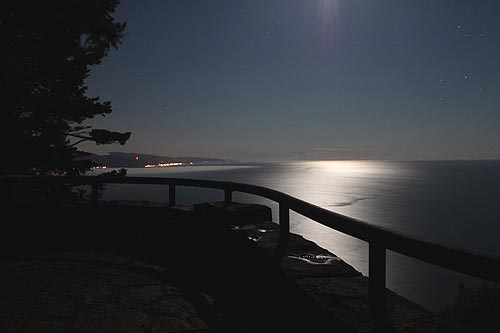
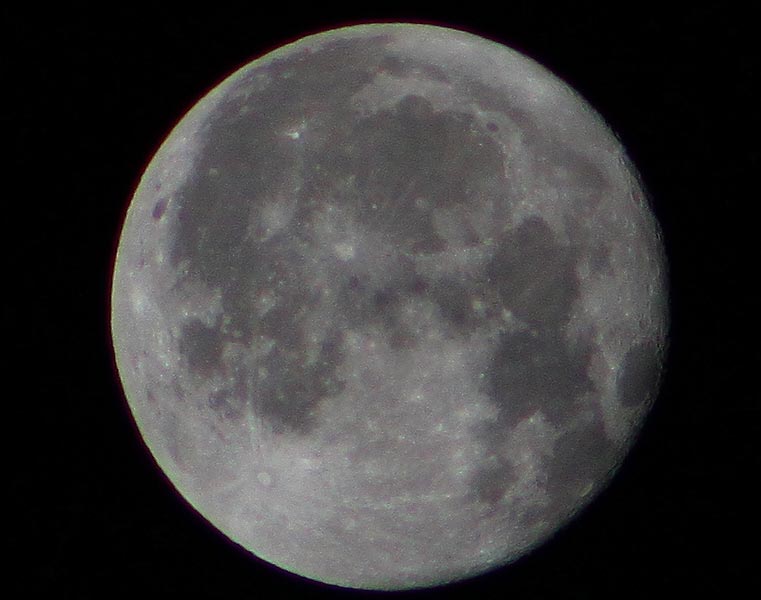
The difference in night and day could also be extremely small, only about six hours of night and six hours of day. Things were vastly different just after what is called the “great impact” - when a large planetary mass collided with the proto Earth billions of years ago, and the subsequent debris from both formed the moon. For a long time, Earth’s spin was so fast that day and night were only about six hours. It was the interaction between it and the moon that slowed down our spin to what it is today. More moon photos below:
See Washington Coast Weather - Oregon Coast Weather

Cannon Beach Lodging
Nehalem Bay Lodgings
Manzanita Hotels, Lodging
Three Capes Lodging
Pacific City Hotels, Lodging
Lincoln City Lodging
Depoe Bay Lodging
Newport Lodging
Waldport Lodging
Yachats Lodging
Oregon Coast Vacation Rentals
Oregon Coast Lodging Specials


More About Oregon Coast hotels, lodging.....
More About Oregon Coast Restaurants, Dining.....




LATEST Related Oregon Coast Articles
25 Sep 2026 at 9:55pm
Large moon - but there's a catch - and some meteor showers. Weather, Astronomy
Late-Night Rescue on Cape Lookout Trail Highlights Oregon Coast Hiking Hazards
25 Sep 2026 at 9:51pm
Oceanside-area rescue after dark: responders offer advice. Safety, Netarts, Oceanside tunnel, Lost Boy Beach
Another Fatal Accident on Oregon Coast Last Weekend, This Time Involving Pede...
25 Sep 2026 at 9:22pm
Gleneden Beach: A Portland man hit first by one vehicle and then by two more. Lincoln City, safety
Active Winds Along Oregon Coast, Cascades and Valleys: Touch of a Fall Storm
25 Sep 2026 at 9:22pm
UPDATES: High Wind Advisories in Valley, Gorge. Gale watch along the coast, brief thunderstorms in NW Oregon possible. Weather
South Oregon Coast Wilderness: Tseriadun State Scenic Rec Site, Paradise Poin...
24 Sep 2026 at 7:21am
Four miles of crazy finds, yet another Agate Beach, an angry river and Cape Blanco. Port Orford, Curry County
Two Deadly Crashes This Weekend Near Oregon Coast, Including 4-Month-Old Girl
23 Sep 2026 at 9:11am
One happened near Florence and the other outside of Myrtle Point near Bandon. Traffic, rescue
Florence's 5th Annual Festival Books Opens New Pages to Oregon Coast This Wee...
23 Sep 2026 at 8:11am
Florence's literary community on Saturday, September 26. Florence events
Search Suspended for Missing Pilot Off Oregon Coast - Newport
22 Sep 2026 at 9:28am
The 78-year-old crashed into the Pacific near 1 pm. Coast Guard. Astoria Coast Guard, North Bend Coast Guard
Back to Oregon Coast
Contact Advertise on BeachConnection.net
All Content, unless otherwise attributed, copyright BeachConnection.net Unauthorized use or publication is not permitted
Oregon
Coast Lodging
Rentals
Specials
Search for Oregon Coast Subjects, Articles
Virtual Tours, Maps
Deep Details



















Oregon
Coast Lodging
Seaside Hotels
Cannon
Beach Hotels
Nehalem Bay Lodgings
Manzanita Hotels, Lodging
Rockaway Beach Hotels
Three Capes Lodging
Pacific City Hotels, Lodging
Lincoln
City Lodging
Depoe
Bay Hotels
Newport Hotels
Waldport Lodging
Yachats
Lodging
Oregon
Coast Vacation Rentals
Oregon
Coast Lodging Specials
Dining
Guide
Seaside
Cannon
Beach Dining
Manzanita,
Rockaway, Wheeler Dining
Pacific
City, Oceanside, Netarts, Tierra Del Mar Restaurants
Tillamook
Bay Restaurants, Dining
Lincoln
City Dining, Restaurants
Depoe
Bay Restaurants, Dining
Newport Restaurants, Dining
Waldport,
Yachats Restaurants, Dining
Florence Restaurants, Dining
Restaurant
Reviews
Coast
Events Calendar
Astoria
Seaside,
Cannon Beach Calendar
Manzanita,
Rockaway Events
Tillamook,
Pacific City Calendar
Lincoln
City Events Calendar
Newport,
Depoe Bay Events Calendar
Yachats Events Calendar
Coastal
Bars, Lounges
Southern Oregon Coast
Washington Coast
Oregon Coast Complete Guides every beach access, attraction
Search for Oregon Coast Subjects, Articles
Explore Every Beach Spot


News Headlines from All Over Oregon Need to scan Oregon headlines? Constantly updated news from all over Oregon: a comprehensive, up-to-the-minute display of news headlines from a variety of media
Oregon Coast Oceanfront Lodging, Hotels, Rentals
Book Coastal Lodging Now
Booking.com