




Dead Zones Increasing Off Oregon Coast, Including California, Washington
Published 11/05/2018 at 2:29 AM PDT
By Oregon Coast Beach Connection Staff
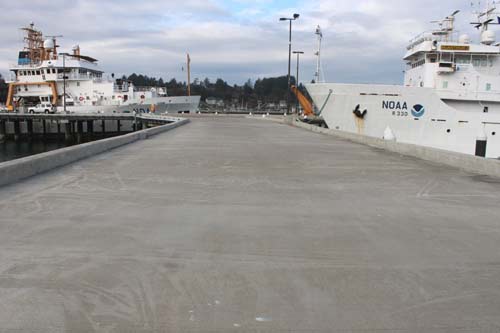
(Newport, Oregon) – Scientists from the central Oregon coast’s Hatfield Marine Science Center say the low-oxygen “dead zones” offshore are not only increasing in size and frequency but they’ve been popping up along the coastlines of Washington and California as well.
Includes exclusive listings; some specials in winter
In Cannon Beach:
Includes rentals not listed anywhere else
In Manzanita, Wheeler, Rockaway Beach:
Some specials for winter
In Pacific City, Oceanside:
Some specials for winter
In Lincoln City:
Some specials for winter
In Depoe Bay, Gleneden Beach:
Some specials for winter
In Newport:
Look for some specials
In Waldport
Some specials for winter
In Yachats, Florence
Some specials for winter
According to findings by Francis Chan of Oregon State University in Corvallis (of which the Hatfield in Newport is a part), Oregon has seen a decline in oxygen in ocean waters near the seafloor for two decades now, resulting in what they term “hypoxia season.” It’s not dissimilar to the idea of a wildfire season, except here there are periods where oxygen levels nosedive in various pockets of the West Coast, killing off fish and crabs.
Chan and his colleagues said this past summer of 2018 was one of the worst, a claim backed up by many commercial crabbers who noted major die-offs in their harvesting areas. They turned to the scientific community for help, and now NOAA, OSU and Oregon Department of Fish and Wildlife (ODFW) have teamed up to further study the issue.
“Our ocean is changing and when we first measured hypoxia off Newport in 2002, we thought it might be a local phenomenon,” Chan said. “That is no longer the case. Low oxygen is striking a big swath of the West Coast and is returning year after year. So we’d better learn to live with it.”
OSU researchers received a $1.1 million grant from NOAA Coastal Hypoxia Research Program to work with ODFW and crabbers over the next four years to place sensors in crab pots, equipment that will check oxygen levels. A lack of data has been a major hurdle in understanding these dead zone pockets, with only about four sensors out in the ocean. This new project will bring the number up to 40.
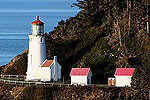
Over the summer, one sensor near Heceta Head documented oxygen levels reaching to zero close to the sea floor in early June, which coincided with reports by fishermen in the area of dead crabs.
The evidence this was working in pockets was startling. ODFW researchers had received a report of one crabber over the summer who only obtained four live crabs after deploying 120 pots into the ocean. Yet Chan talked to another crabber who had similar dismal results in one part of the Oregon coast waters, but only eight miles away there were plenty of crab to be found.
A major cause behind the dead zones is a changing climate, said Chan, which is causing waters around the world to lose their ability to hold oxygen.
Another major factor is shifting wind patterns. Waters off the Oregon coast get filled with nutrients by upwellings, which is created by southward winds mixing up the water to bring up nutrients from the deep. This fuels blooms of phytoplankton, which boost the food chain when it happens in balance, but the flipside is if there are too many they choke the oxygen out of the water as they die and sink to the seafloor.

Normally, according to OSU oceanographer Jack Barth, Oregon has wind patterns that alternate between conditions that create upwellings and those that stop the process after about a week or two.
“That allows the system to flush out and re-oxygenates the water,” Barth said. “Over the past several years, though, that flushing hasn’t happened as frequently and the phytoplankton overwhelms the system and essentially chokes it.”
Barth added an alarming element to all this is that they’ve begun to see low oxygen levels in the middle water column and not just the bottom, at the seafloor. This has implications of affecting other fisheries, such as halibut.
Oregon Coast Lodgings in this area - Where to eat - Maps - Virtual Tours
Cannon Beach Lodging
Nehalem Bay Lodgings
Manzanita Hotels, Lodging
Three Capes Lodging
Pacific City Hotels, Lodging
Lincoln City Lodging
Depoe Bay Lodging
Newport Lodging
Waldport Lodging
Yachats Lodging
Oregon Coast Vacation Rentals
Oregon Coast Lodging Specials

More About Oregon Coast hotels, lodging.....
More About Oregon Coast Restaurants, Dining.....



LATEST Related Oregon Coast Articles
17 Sep 2026 at 7:06pm
Video recorded on 4th of July in Washington by the suspects. True crime
Police Seek Tips on Who Decapitated a Shark Found on Washington Coast
17 Sep 2026 at 7:06pm
These sharks are on the brink of endangered status. Ocean Shores. Marine sciences
N. Oregon Coast Rescue: Lost Boy Beach Lives Up to Its Name and Example of Wa...
17 Sep 2026 at 10:00am
Three visitors went beyond the boundaries of Oceanside into a dangerous cove. Safety, rescue
N. Oregon Coast's Deeper, More Rugged Parks Could Use Some Help: Tillamook Co...
15 Sep 2026 at 8:11am
County's push to elevate parks gaining major momentum, but seeking donations. Netarts, Oceanside, Nehalem, Rockaway Beach, Barview, Bayocean, Cape Meares, Pacific City
Two dead in separate Oregon coast crashes, one involved 17 people
14 Sep 2026 at 8:54pm
One happened near Cannon Beach the other along Hwy 30. Rescue, traffic
Oregon's Crave The Coast Returns in October, Month-Long Seafood Fest from Ast...
14 Sep 2026 at 8:52pm
All through Oct: Boat trips, cheese, ice cream, and major seafood. Garibaldi events, Astoria events, Seaside events, Warrenton events, Cannon Beach events, Manzanita events, Rockaway Beach events, Tillamook events, Pacific City events, Neskowin events
South Oregon Coast's Circles in the Sand Lands at Florence for Two Days
14 Sep 2026 at 8:50pm
Florence on October 24 and 25: Heceta Beach gets gigantic art
Start Looking Now for the False Dawn / Zodiacal Light Above Oregon, Washington
13 Sep 2026 at 8:39pm
Starting maybe two hours before dawn, the mysterious light likely from Mars. Astronomy, sciences, weather
Back to Oregon Coast
Contact Advertise on BeachConnection.net
All Content, unless otherwise attributed, copyright BeachConnection.net Unauthorized use or publication is not permitted
Oregon
Coast Lodging
Rentals
Specials
Search for Oregon Coast Subjects, Articles
Virtual Tours, Maps
Deep Details














Oregon
Coast Lodging
Seaside
Cannon
Beach Lodging
Nehalem Bay Lodgings
Manzanita Hotels, Lodging
Rockaway Beach Hotels
Three Capes Lodging
Pacific City Hotels, Lodging
Lincoln
City Lodging
Depoe
Bay Lodging
Newport Lodging
Waldport Lodging
Yachats
Lodging
Oregon
Coast Vacation Rentals
Oregon
Coast Lodging Specials
Dining
Guide
Seaside
Cannon
Beach Dining
Manzanita,
Rockaway, Wheeler Dining
Pacific
City, Oceanside, Netarts, Tierra Del Mar Restaurants
Tillamook
Bay Restaurants, Dining
Lincoln
City Dining, Restaurants
Depoe
Bay Restaurants, Dining
Newport Restaurants, Dining
Waldport,
Yachats Restaurants, Dining
Florence Restaurants, Dining
Restaurant
Reviews
Coast
Events Calendar
Astoria
Seaside,
Cannon Beach Calendar
Manzanita,
Rockaway Events
Tillamook,
Pacific City Calendar
Lincoln
City Events Calendar
Newport,
Depoe Bay Events Calendar
Yachats Events Calendar
Oregon Coast Complete Guides every beach access, attraction
Search for Oregon Coast Subjects, Articles
Explore Every Beach Spot


News Headlines from All Over Oregon Need to scan Oregon headlines? Constantly updated news from all over Oregon: a comprehensive, up-to-the-minute display of news headlines from a variety of media
Oregon Coast Oceanfront Lodging, Hotels, Rentals
Book Coastal Lodging Now
Booking.com